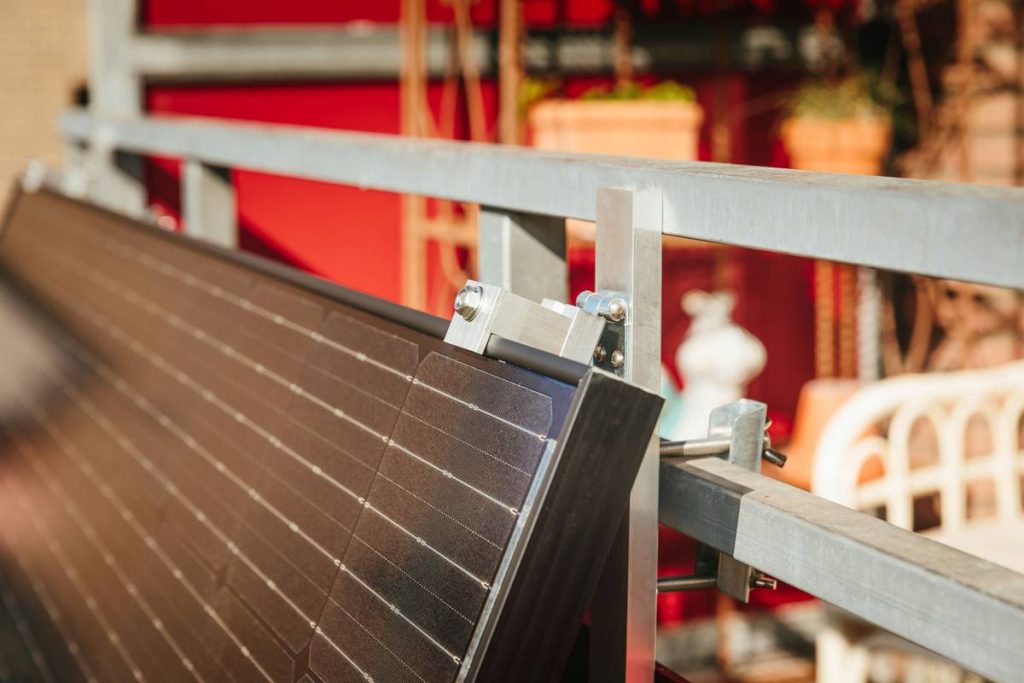
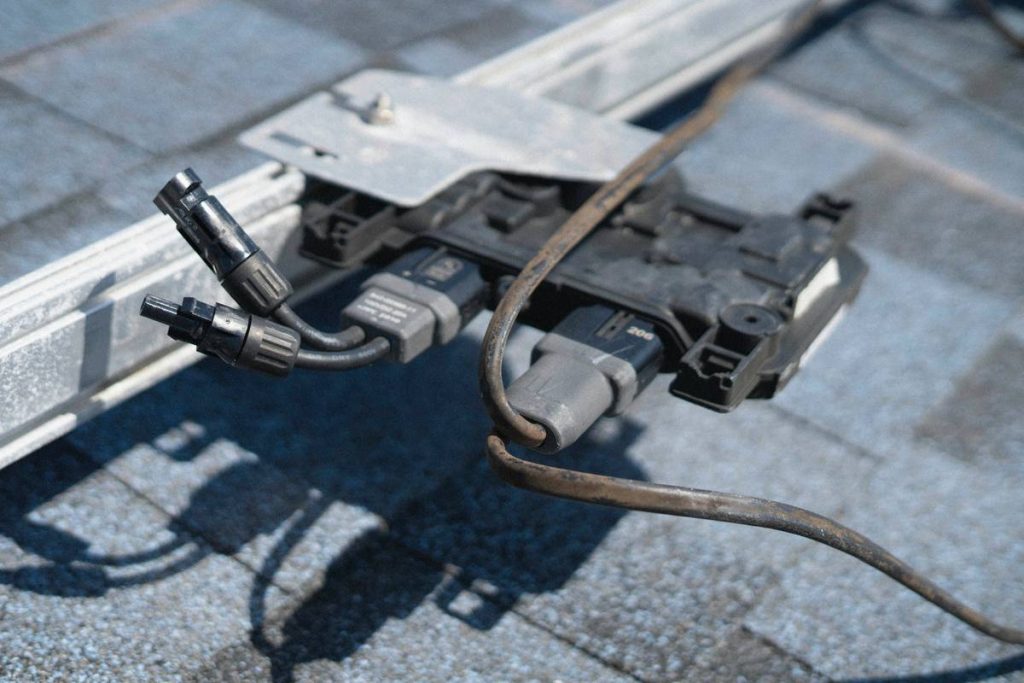
Ever stared at a tangle of solar panel cables and wondered if you’d just wired your roof into a $5,000 paperweight? You’re not alone. Installing solar isn’t just about slapping panels on a roof—it hinges on details most homeowners overlook until smoke starts rising (literally). That’s where a solid solar panel installation system guide becomes your lifeline. In this post, we’ll walk through the critical wiring choices, code-compliant cable specs, and real-world pitfalls—so you don’t end up like me, sweating over melted MC4 connectors after a “quick DIY job.”
Table of Contents
- Key Takeaways
- Why Solar Cables Are the Unsung Heroes of Your System
- Step-by-Step Wiring Setup for Safe, Efficient Solar Panels
- Best Practices for Long-Lasting, Code-Compliant Cables
- Real-World Case: How Proper Cabling Saved One Nova Scotia Homeowner $1,200
- Frequently Asked Questions
Key Takeaways
- Not all cables are rated for outdoor solar use—using standard electrical wire risks fire and voids warranties.
- Correct gauge (thickness) prevents voltage drop, especially over distances longer than 30 feet.
- UV-resistant, double-insulated PV wire is non-negotiable in Canada’s harsh climate.
- A proper solar panel installation system guide covers wiring before mounting.
Why Solar Cables Are the Unsung Heroes of Your System
I once tried reusing old speaker wire for a small off-grid shed setup. Big mistake. After two rainy weeks, corrosion crept in, resistance spiked, and my “efficient” panels produced half their rated output. Turns out, solar cables aren’t just conductors—they’re engineered to withstand UV exposure, extreme temperatures (-40°C to +90°C), and constant DC current without degrading. According to the National Renewable Energy Laboratory (NREL), faulty wiring accounts for nearly 25% of residential solar performance issues.

Step-by-Step Wiring Setup for Safe, Efficient Solar Panels
1. Choose the Right Cable Type
Use only UL-listed PV wire (e.g., USE-2 or PV1-F) with dual-wall insulation. Never substitute THHN or Romex—they lack UV protection and can crack in sunlight.
2. Calculate Voltage Drop
For string voltages under 600V, keep voltage drop below 3%. Use a voltage drop calculator from industry leader AltE Store to determine correct gauge (usually 10 AWG or 8 AWG for residential runs).
3. Route Cables Securely
Run cables through conduit if exposed to physical damage. Use UV-rated clips every 18 inches along rafters to prevent sagging and chafing.
4. Connect with MC4-Compatible Hardware
Ensure connectors are IP68-rated and properly crimped—loose connections cause arcing, a leading cause of solar fires (NFPA data confirms this trend).
Best Practices for Long-Lasting, Code-Compliant Cables
- Never daisy-chain cheap extension cables. This “terrible tip” floats around YouTube—but it creates resistance hotspots and violates CSA C22.1 standards.
- Label both ends of every cable run for future troubleshooting.
- Leave 6–12 inches of service loop at each junction box for maintenance.
- In snowy regions like Nova Scotia, avoid routing cables where ice dams can crush them.
And remember: if you’re unsure, consult a licensed electrician. At our team, we’ve seen too many “almost-right” installations fail inspection—delaying rebates and peace of mind.
Real-World Case: How Proper Cabling Saved One Nova Scotia Homeowner $1,200
Last winter, a Halifax homeowner installed 8 panels using discount online cables labeled “solar-compatible”—but they lacked CSA certification. During inspection, the electrical authority red-tagged the entire array. Replacing the cabling cost $1,200, plus lost time. Contrast that with a similar Truro project using proper PV wire from day one: passed inspection on first try, qualified for Efficiency Nova Scotia’s rebate, and now runs 98% of expected output year-round. Details matter—and a reliable solar panel installation system guide prevents these avoidable setbacks.
Frequently Asked Questions
What gauge wire do I need for my solar panels?
It depends on your system voltage and distance to the inverter. For most 24V–48V home systems under 50 feet, 10 AWG is sufficient. Use an online calculator or refer to NEC Table 310.16 for exact specs.
Can I run solar cables inside my attic?
Yes—but only if they’re rated for wet/dry locations (like PV wire). Standard building wire isn’t suitable due to heat buildup and DC arc risks.
How often should I inspect my solar cables?
Annually, or after major storms. Look for cracked insulation, loose connectors, or signs of rodent damage.
Does my solar panel installation system guide need to include grounding?
Absolutely. All metal parts and cable shields must be grounded per CSA standards to prevent shock hazards.
If you’re planning a solar upgrade and want hands-on support from local experts who know Nova Scotia’s codes and climate, reach out to us today. And rest easy knowing your data stays protected—we comply fully with our published Privacy Policy.
Remember: great solar isn’t measured in kilowatts alone—it’s in the quiet confidence that every wire, clip, and connector was chosen right the first time.