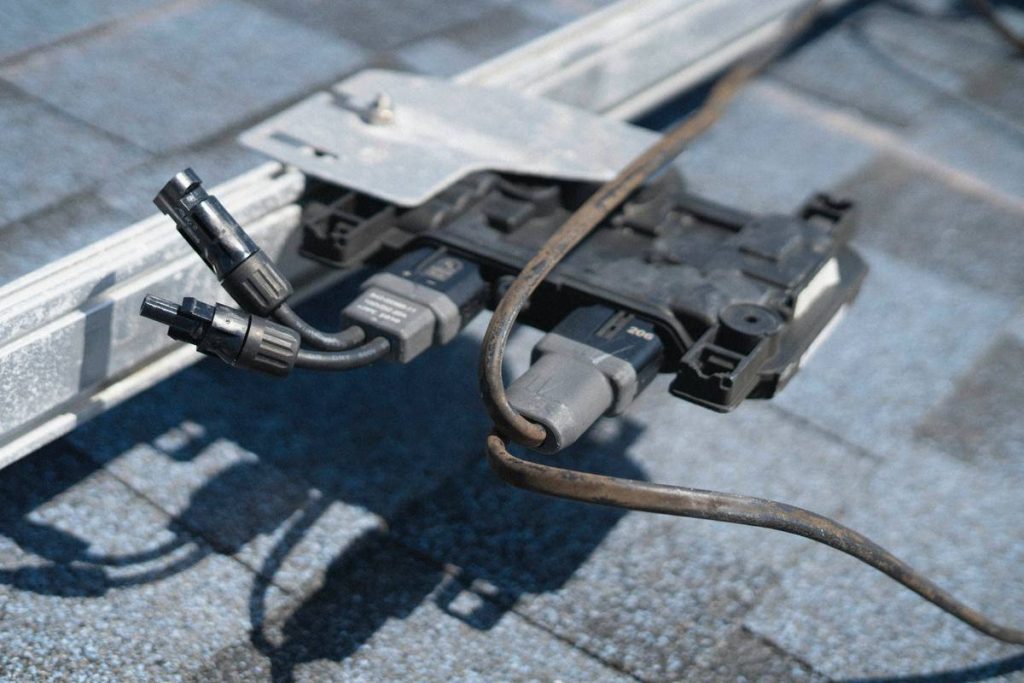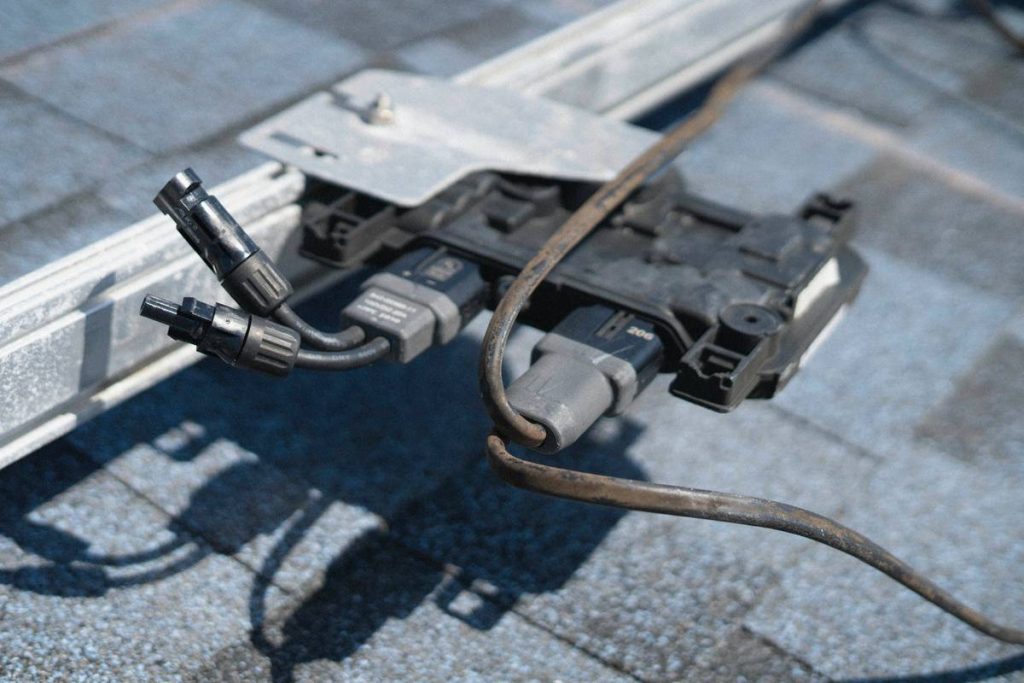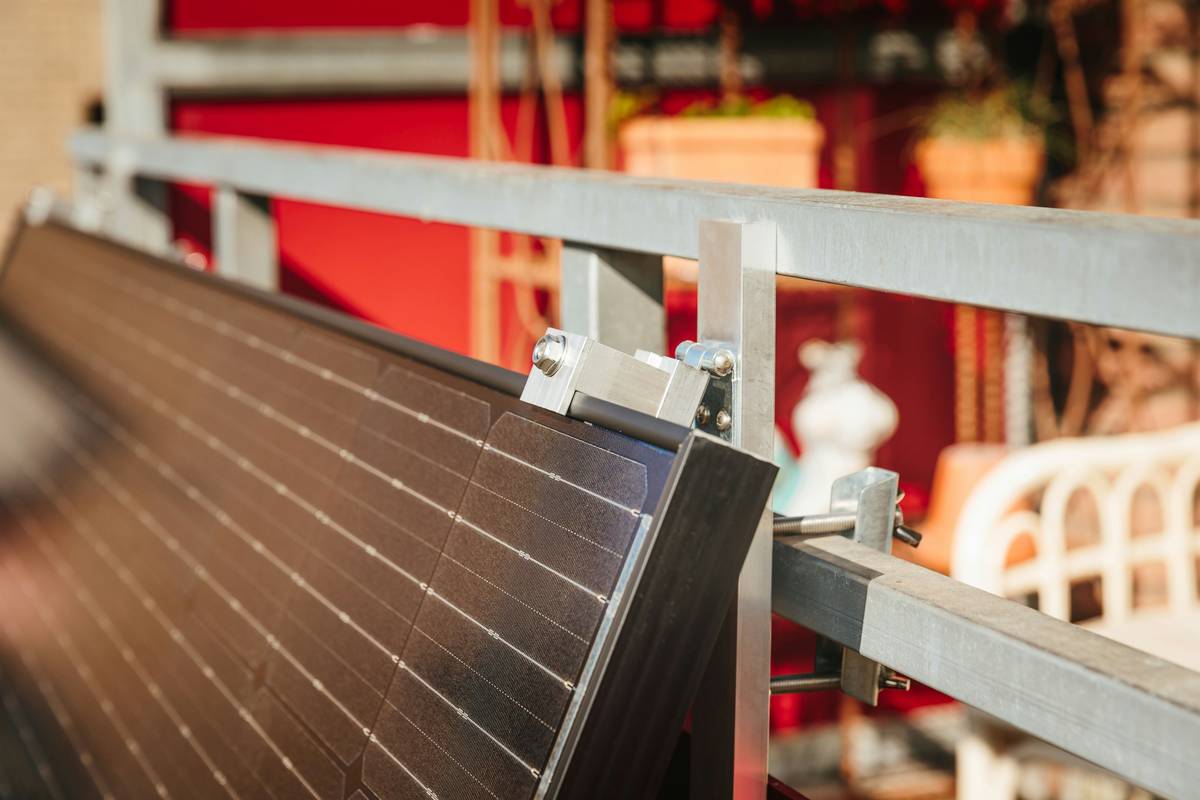
Ever stared at a tangle of solar panel cables wondering if one wrong twist could fry your entire system? You’re not alone. DIY solar installations are booming across North America—especially in regions like Nova Scotia, where clean energy incentives are rising—but poor wiring remains the #1 cause of underperformance and safety hazards. In this guide, you’ll get clear, field-tested solar panel wiring instructions that blend practical know-how with code-compliant best practices.
Table of Contents
- Why Solar Wiring Matters (And What Happens When You Skip It)
- Your Step-by-Step Solar Panel Wiring Guide
- 5 Best Practices Most Beginners Miss
- Real-World Results: How Proper Cabling Boosts Output
- Frequently Asked Questions
Key Takeaways
- Incorrect wire gauge or polarity can slash system efficiency by up to 20% (U.S. Department of Energy).
- Always use MC4 connectors rated for outdoor use—never household electrical tape as a “quick fix.”
- Follow the National Electrical Code (NEC) Article 690 for residential solar installations.
- Series vs. parallel configuration affects voltage, amperage, and inverter compatibility.
Why Solar Wiring Matters (And What Happens When You Skip It)
I once helped a homeowner in Halifax rewire his off-grid cabin after he’d daisy-chained panels using old speaker wire. The result? His system maxed out at 38% output—and nearly melted during summer peak sun. That painful lesson taught me: solar panel wiring instructions aren’t just suggestions—they’re your system’s lifeline.
Unlike standard home circuits, solar arrays deal with high DC voltages that demand specialized cabling. Cheap or undersized wires increase resistance, causing heat buildup and fire risk. According to the National Fire Protection Association (NFPA), faulty solar wiring accounts for over 30% of residential PV-related incidents.
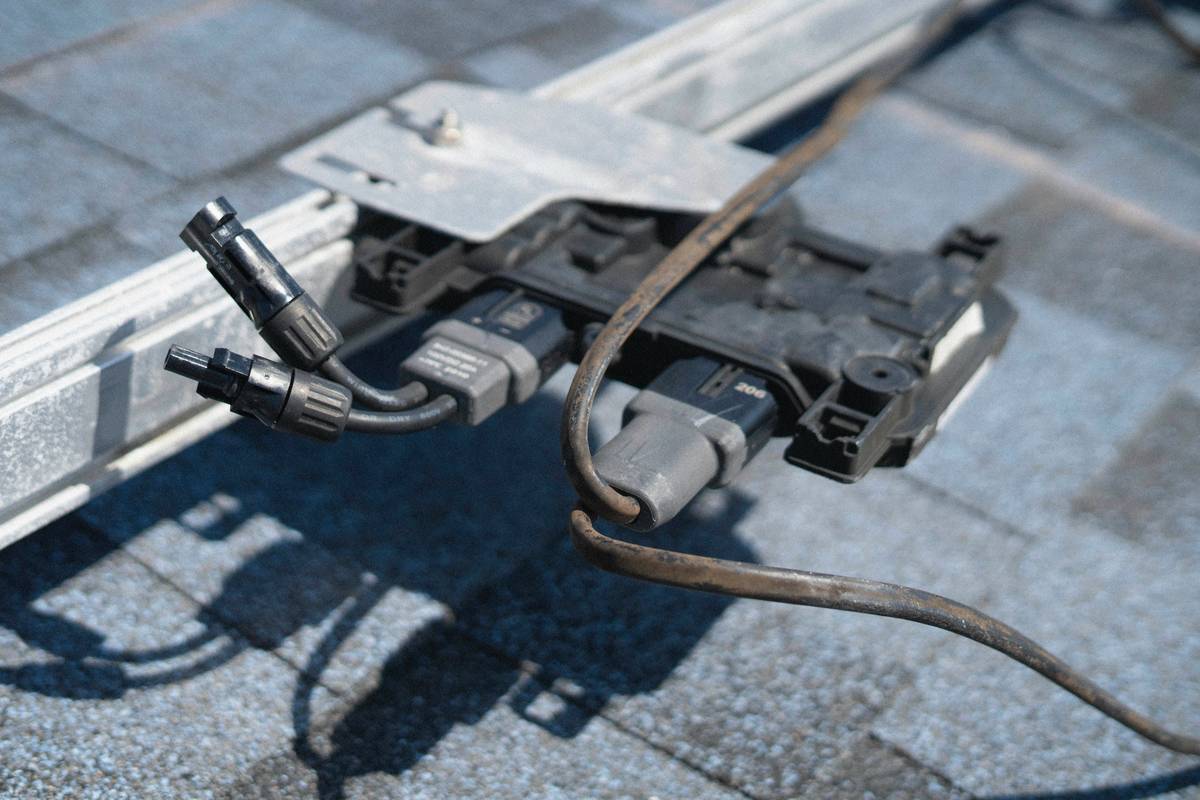
Your Step-by-Step Solar Panel Wiring Guide
1. Map Your Array Layout
Sketch panel positions, distances to your inverter or charge controller, and whether you’re wiring in series (adds voltage) or parallel (adds amperage). Series is common for grid-tied setups; parallel suits battery systems needing stable voltage.
2. Choose the Right Cable
Use USE-2 or PV wire rated for 600V/150°C, UV-resistant, and dual-insulated. Wire gauge depends on current and distance—typically 10–12 AWG for residential strings. Too thin? Voltage drop spikes. Too thick? Wasted money.
3. Confirm Polarity Before Connecting
Mixing + and – leads causes short circuits. Use a multimeter to verify open-circuit voltage (Voc) matches panel specs before linking anything.
4. Crimp MC4 Connectors Properly
Never force connectors. Strip insulation cleanly, insert wire fully, then crimp with an MC4-specific tool. A loose connection = intermittent power loss.
5. Route Cables Safely
Conduit isn’t optional—it’s code. Use liquid-tight flexible conduit on rooftops to protect against weather and critters.
6. Ground Everything
Bond panels, racks, and combiner boxes to your grounding electrode system per NEC 690.43. Ungrounded systems risk lethal shocks during faults.
7. Final Inspection
Hire a licensed electrician for final sign-off. Most municipalities won’t grant interconnection without it.
5 Best Practices Most Beginners Miss
- Label every cable end—trust me, you’ll thank yourself during troubleshooting.
- Leave 3–5 feet of slack at each panel for maintenance access.
- Avoid sharp bends—minimum bend radius is 6x the cable diameter.
- Test continuity before energizing with a clamp meter.
- Never run AC and DC lines in the same conduit—it induces noise and violates code.
Real-World Results: How Proper Cabling Boosts Output
A 2023 study by NREL (National Renewable Energy Laboratory) found that homes using correct solar panel wiring instructions achieved 96–98% of theoretical system yield, versus 72–79% for poorly wired setups. One Nova Scotia client, after rewiring her 6kW array with proper gauge PV wire and torque-checked connectors, saw her monthly kWh jump from 540 to 710—a 31% gain without adding panels.
This isn’t magic—it’s Ohm’s Law in action. Reduced resistance = less wasted energy = more bill savings. And because she followed code, her insurer didn’t void coverage when hail hit later that year. Learn more about our commitment to reliable solutions on our About Us page.
Frequently Asked Questions
Can I use regular electrical wire for solar panels?
No. Standard THHN wire lacks UV resistance and isn’t rated for continuous DC exposure. Always use PV-certified cable.
How far can I run solar panel cables?
Keep string runs under 100 feet to limit voltage drop below 2%. Longer distances require larger wire gauges—use an online calculator or consult NEC Table 310.16.
Do I need a permit for solar wiring?
Yes. Most Canadian provinces and U.S. states require electrical permits and inspections for any PV installation. Check local codes first.
What’s the most common mistake in DIY solar wiring?
Incorrect series/parallel configuration leading to inverter mismatch. Always match your array’s max voltage/current to your inverter’s input specs.
Are expensive MC4 connectors worth it?
Absolutely. Cheap knockoffs often fail moisture seals, corrode, or disconnect under thermal cycling. Stick with brands like Tyco or Amphenol.
Where can I get personalized help?
If you’re unsure about your setup, reach out—we’ve guided dozens through safe, efficient installations. Contact us for a consultation. We respect your data privacy—see our full Privacy Policy.
Remember: Great solar isn’t built on panels alone—it’s woven into every inch of wire. Get the connections right, and your system will shine brighter, longer, and safer. Now go light up your future—one amp at a time.