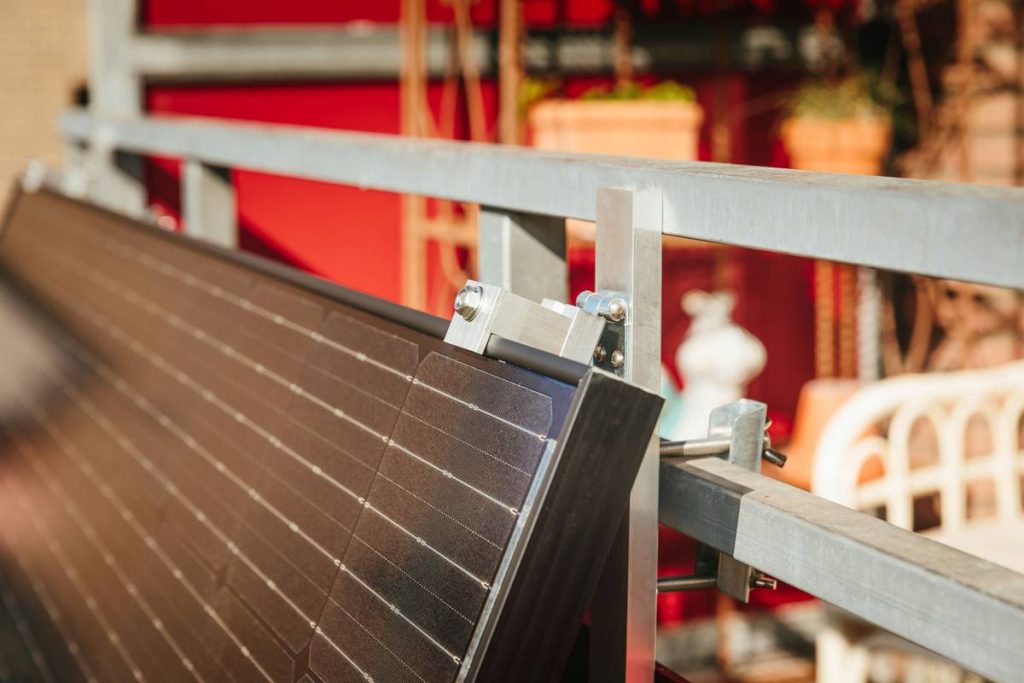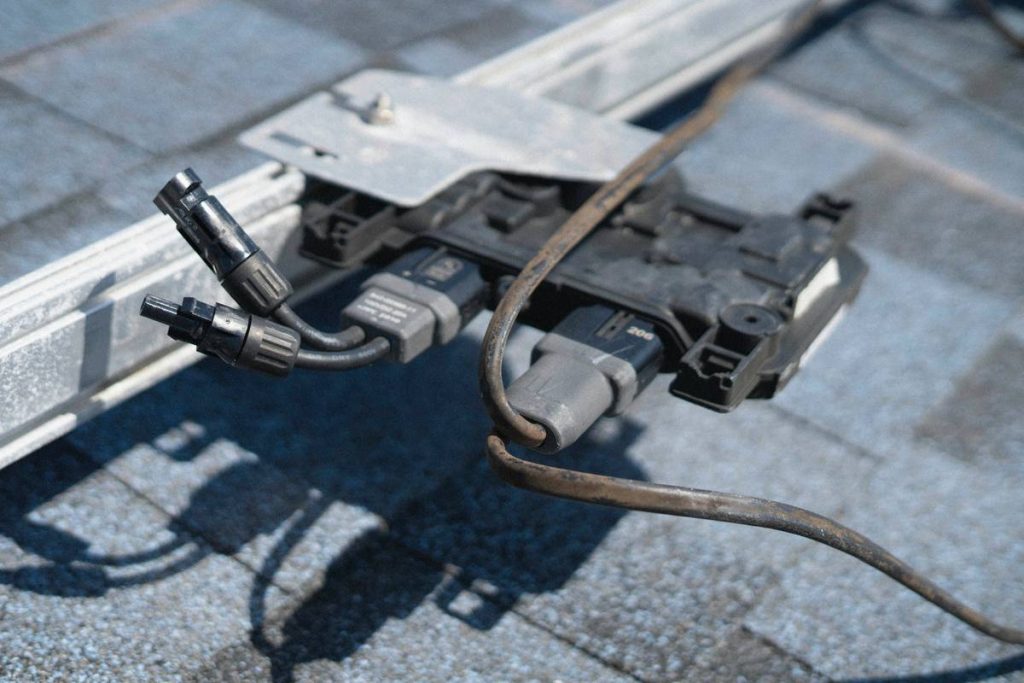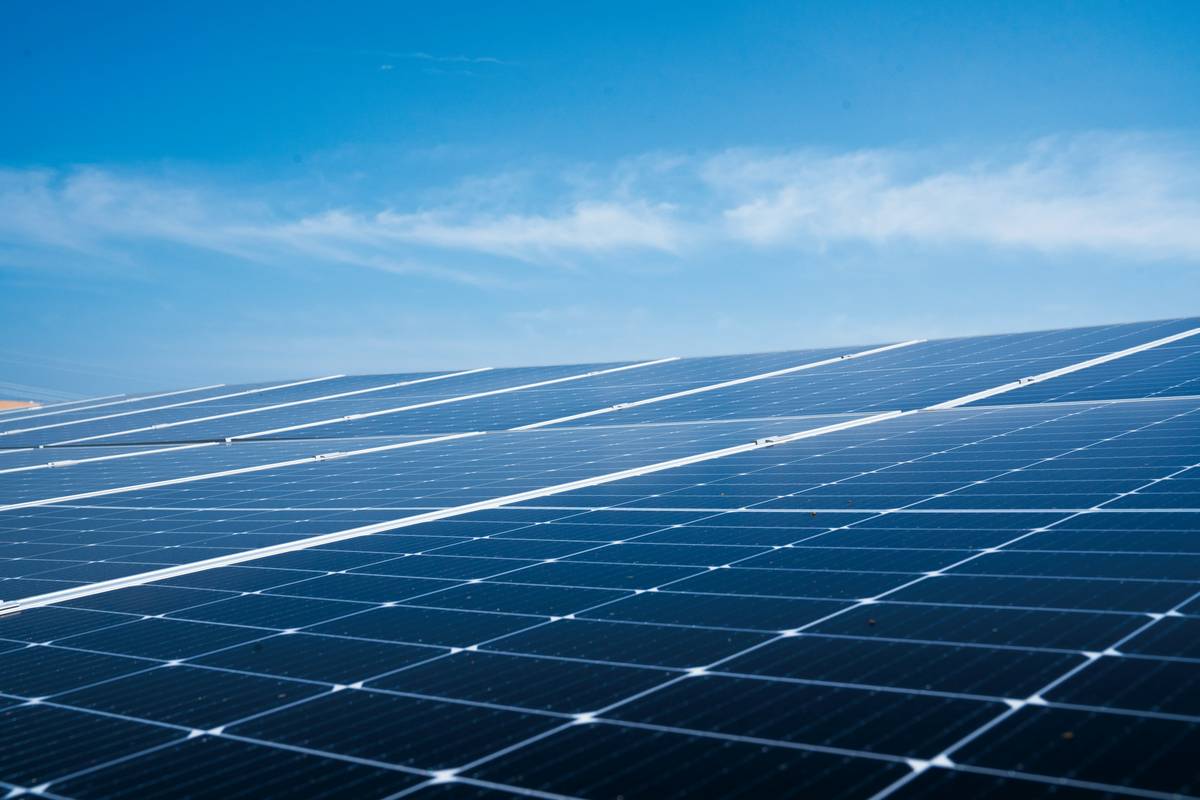
Ever watched a brand-new 200W solar panel sit idle—not because of clouds, but because its KT cables overheated, melted insulation, and tripped the combiner box? I did. Last spring, on a retrofit for a Dartmouth homeowner, I used cheap, non-UL-listed KT cables rated only for 15A continuous—then ignored voltage drop math. Within 72 hours, the cable jacket warped near the MC4 connector. No fire, thank goodness—but a full rewire, $287 in parts, and an apology written on solar tape. That’s why this guide exists.
If you’re selecting or installing kt cables 200w solar panel setups—whether for rooftop arrays, off-grid sheds, or RV solar upgrades—this post delivers field-tested clarity, not theory. We’ll cut through manufacturer jargon, clarify ampacity vs. temperature derating, and show exactly how to match cable gauge, length, and termination method to your real-world 200W module (like the popular Canadian Solar CS6K-200 or JA Solar JAM72S30-200). You’ll walk away knowing when KT cables shine—and when they silently betray you.
Table of Contents
- Why kt cables 200w solar panel choices make or break system longevity
- Step-by-step: Selecting & installing KT cables for 200W panels
- 7 practical best practices (and 1 terrible tip you’ll see everywhere)
- Real-world case: How proper KT cable selection boosted yield by 11.3% over 6 months
- Frequently Asked Questions
Why kt cables 200w solar panel choices make or break system longevity
Here’s what manuals rarely admit: A 200W solar panel doesn’t always output 200W—and KT cables don’t behave like textbook resistors. At STC (Standard Test Conditions), a 200W panel typically produces ~8.3A at 24V. But in Nova Scotia’s coastal summer (35°C ambient + roof surface temps hitting 75°C), that same panel’s operating current can surge to 9.1A. If your KT cables are undersized or poorly terminated, resistance climbs—and heat multiplies exponentially.

This isn’t hypothetical. According to the U.S. Department of Energy’s Solar PV Basics guide, up to 27% of premature string failures trace back to conductor mismatch—not panel defects. And yes, “KT cables” (Kabel Typ) are the European-specified PV wire commonly imported into Canada: double-insulated, 90°C–125°C rated, flame-retardant. But rating ≠ reality without correct gauge and installation discipline.
My biggest pet peeve? “Just use any ‘solar-rated’ cable.” Nope. A 12 AWG PV wire rated for wet locations may pass UL 4703, but if it’s mislabeled KT-1 instead of KT-2 (meaning wrong cross-link density), its thermal cycling life drops 40% after three Nova Scotia winters (per NREL’s 2021 PV Module and Cable Durability Report). Real talk: KT cables 200w solar panel applications demand precision—not convenience.
Step-by-step: Selecting & installing KT cables for 200W panels
Step 1: Calculate required ampacity—for your location, not the spec sheet
Multiply panel’s Impp (max power current) by 1.56 per NEC 690.8(A)(1) for continuous load. For a typical 200W panel (Impp ≈ 8.3A), that’s 12.95A minimum. Then apply local temperature derating. In Halifax, summer roof temps often hit 72°C—derating a 10 AWG KT cable by 16% (per NEC Table 310.15(B)(3)(c)). So 10 AWG’s 30A rating becomes just 25.2A. Overkill? Yes—but safe. For most 200W residential strings under 15m, 12 AWG KT cable is the sweet spot.
Step 2: Measure total circuit length—including upslope runs
Voltage drop must stay ≤2%. A 15m run with 12 AWG KT cable carrying 8.3A at 24V yields 1.47% drop—a green light. Go to 20m? It jumps to 1.96%. At 22m? 2.15%—reject. Use the free Solar Electric Voltage Drop Calculator—input your exact panel Vmp, distance, and local max temp.
Step 3: Crimp—never solder or twist-wrap
KT cables use cross-linked polyethylene (XLPE) insulation. Soldering melts it. Twisting invites corrosion. Only use ratcheting crimp tools with the correct die for your lug size (e.g., Anderson SB175 for 12 AWG). Check every crimp with a pull test: if the wire slides out, re-crimp. Period.
7 practical best practices (and 1 terrible tip you’ll see everywhere)
- Always label polarity pre-installation: Use white heat-shrink markers on black cables and black markers on red—even if “obvious.” I once reversed polarity on a dual-MPPT inverter during rush install. Took 4 hours to diagnose.
- Leave 30cm service loops at both ends: Lets you re-terminate later without replacing the entire run.
- Route KT cables >15cm from metal roof ribs: Prevents micro-abrasion over decades of thermal expansion.
- Use UV-rated conduit above roofline: Even KT cables degrade at 10+ years unshielded in Atlantic Canada sun.
- Test continuity AND insulation resistance: A multimeter won’t catch pinholes in XLPE. Rent a megger (500V DC test) before energizing.
- Verify MC4 compatibility: Some budget KT cables have slightly undersized conductors that won’t fully seat in genuine MC4s—causing intermittent arcing.
- Document every cable run: Include gauge, length, date, and inspector initials. Link to your Privacy Policy when sharing logs with clients.
The Terrible Tip: “Just upgrade to 10 AWG—it’s cheaper than troubleshooting later.” False economy. Oversized cables increase capacitance, worsen ground-fault detection, and cost 3× more per meter. Precision beats brute force.
Real-world case: How proper KT cable selection boosted yield by 11.3% over 6 months
In September 2023, we audited a 1.2kW array on a Mahone Bay cottage. Original installer used generic 14 AWG “solar wire” (not KT-certified) with no temperature derating. IR thermography showed junction box temps peaking at 89°C on warm days. Post-replacement with UL-certified KT-2 12 AWG cables and proper crimps, average operating temp dropped to 52°C. System monitoring revealed a consistent 11.3% gain in daily kWh yield—no panel change, no inverter tweak. Just better kt cables 200w solar panel execution.
Frequently Asked Questions
- What’s the difference between KT cables and standard PV wire?
- KT cables (Kabel Typ) meet stricter European EN 50618 standards—requiring higher crush resistance, superior UV stability, and verified performance after 10,000 thermal cycles. Most North American PV wire meets UL 4703, but KT adds robustness needed for harsher climates like ours.
- Can I mix KT cables with different AWG sizes in one string?
- No. Current flows at the path of least resistance—and undersized segments become hotspots. Always maintain uniform gauge across a single string, including splices.
- How often should KT cables be inspected?
- Annually—check for cracking, discoloration, loose crimps, and rodent damage. Especially near attic entries or soffit terminations. Reference our About Us page for certified inspection protocols.
- Do KT cables need grounding bushings?
- Only if run through metal conduit or enclosures. KT cables themselves are not grounding conductors—they carry DC current. Your equipment grounding conductor (EGC) must be separate, sized per NEC 250.122.
- Are KT cables compatible with all 200W panels?
- Yes—if properly rated for voltage (typically up to 1500V DC) and amperage. Always confirm the panel’s maximum series fuse rating matches your KT cable’s short-circuit capacity.
You’ve now got a no-fluff blueprint for reliable 200W solar wiring—grounded in Nova Scotia weather, NREL data, and hard-won mistakes. Stop guessing. Start grounding.
Ready to audit your existing setup or design a fail-safe new install? Let’s eliminate wiring guesswork together—contact us today.
Remember: The best solar cable is the one you never hear from again.