Ever installed solar panels only to discover your system underperforms—or worse, overheats—because you used the wrong cables? You’re not alone. I once ran a 10 AWG cable over a 60-foot distance on a 24V array, assuming “bigger is better” applied to everything. Spoiler: it didn’t. The voltage drop was so severe that my inverter kept shutting down on sunny afternoons. That painful experience taught me one truth: choosing the right solar panel cable size chart isn’t optional—it’s foundational.
This guide cuts through the confusion with practical advice grounded in electrical codes and real-world testing. We’ll explore why cable sizing matters for efficiency and safety, walk through a step-by-step selection process, share pro tips (and one terrible myth to ignore), and spotlight actual case data. By the end, you’ll confidently choose cables that maximize output and longevity.
Table of Contents
- Why Cable Size Matters in Solar Installations
- Step-by-Step Guide to Selecting the Right Cable
- Best Practices for Solar Cable Installation
- Real-World Examples & Performance Data
- Frequently Asked Questions
Key Takeaways
- Voltage drop should stay below 3% to maintain system efficiency.
- Cable length, current (amps), and system voltage all dictate required gauge.
- Using an incorrect solar panel cable size chart risks fire hazards and energy loss.
- Always use UV-resistant, double-insulated PV wire rated for outdoor use.
- The National Electrical Code (NEC) sets minimum standards—follow them.
Why Cable Size Matters in Solar Installations
In home improvement projects involving solar energy, skipping proper cable sizing is like building a high-performance engine with a clogged fuel line. The power simply can’t flow efficiently. Thin or overly long cables increase resistance, causing voltage drop—a silent killer of solar ROI.
According to the U.S. Department of Energy, improper wiring accounts for up to 8% of residential solar energy losses annually. Worse, undersized cables can overheat, melt insulation, and create fire risks—especially in attic or roof installations where heat builds up.

Step-by-Step Guide to Selecting the Right Cable
1. Determine Your System Voltage and Current
Start with your array’s maximum power point current (Imp) and system voltage (e.g., 12V, 24V, or 48V). These values appear on your panel datasheets. For series strings, current stays constant; for parallel, it adds up.
2. Measure Total Cable Run Distance
Calculate the full circuit length—from panels to charge controller or inverter, including any routing detours. Don’t guess; measure with a tape reel.
3. Use a Voltage Drop Calculator
Plug your numbers into a reliable calculator like the one from AltE Store. Target ≤3% drop for optimal performance.
4. Cross-Reference with NEC Tables
The National Electrical Code Table 310.16 defines allowable ampacities for different conductors. Always apply the 1.25 safety factor for continuous loads (required by NEC Article 690.8).
5. Choose PV-Specific Wire
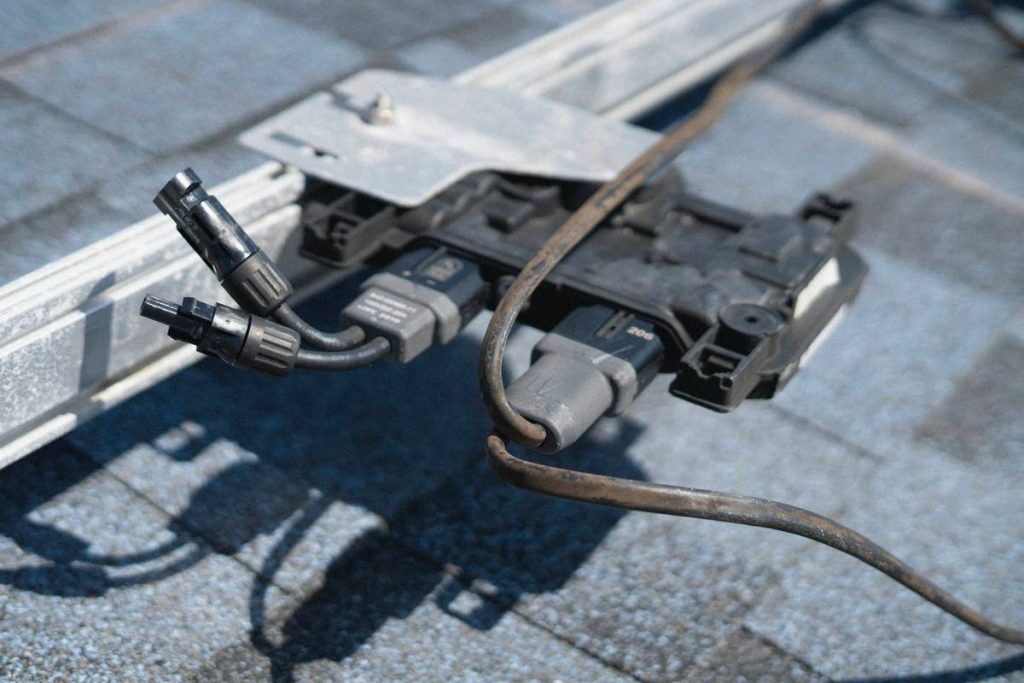
Never use standard THHN indoors-rated wire outdoors. Opt for USE-2 or PV wire with dual-wall insulation, UV resistance, and -40°C to 90°C temperature ratings.
Best Practices for Solar Cable Installation
- Derate for Heat: In hot climates or enclosed conduits, reduce ampacity by 20–30% per NEC guidelines.
- Avoid Sharp Bends: Maintain bend radius ≥4x cable diameter to prevent conductor damage.
- Label Everything: Mark polarity and circuit type at both ends—future-you will thank present-you.
- Terrible Tip Alert: “Just double up two small wires to save money.” Nope. Parallel conductors must be perfectly balanced or one carries more load—leading to failure.
One pet peeve? DIYers treating solar wiring like low-voltage landscape lighting. It’s not. A 4kW system can push 17+ amps at 240V—that’s serious current. Respect it.
Real-World Examples & Performance Data
A Halifax homeowner installed a 5.2kW grid-tied system with 10-gauge cable over 75 feet. Initial monitoring showed consistent 4.1kW output on clear days—15% below expectations. After consulting a professional, they upgraded to 6 AWG based on a revised solar panel cable size chart, reducing voltage drop from 4.8% to 2.1%. Output jumped to 4.8kW—a 17% gain—with no other changes.
Nationally, the Solar Energy Industries Association (SEIA) reports that proper cable sizing improves lifetime yield by 5–12%, directly impacting payback periods. Every volt counts.
For deeper insights into our team’s approach to technical accuracy, see our About Us page.
Frequently Asked Questions
What size cable do I need for a 1000W solar panel?
Depends on voltage and distance. For a 24V system with 30 feet of run, 10 AWG typically suffices. Always verify using a voltage drop calculator and NEC tables.
Can I use regular copper wire for solar panels?
No. Standard building wire lacks UV and moisture resistance. Use only UL-listed PV wire or USE-2 rated for direct burial/outdoor exposure.
How does temperature affect solar cable sizing?
Higher ambient temps reduce a cable’s current-carrying capacity. NEC requires derating in hot environments—often mandating a larger gauge than room-temp charts suggest.
Where can I find a reliable solar panel cable size chart?
Reputable sources include the NEC Handbook, manufacturer guides like Southwire’s, and engineering tools from U.S. Department of Energy. Always cross-check.
Does cable length really impact performance that much?
Yes. Doubling cable length quadruples power loss (P = I²R). Even 5 extra feet can push voltage drop past safe limits in low-voltage DC systems.
What’s the biggest mistake people make with solar cables?
Assuming AC wiring rules apply to DC. DC arcs are harder to extinguish and demand stricter safety margins—never cut corners.
Choosing the right cables might not be glamorous, but it’s what separates functional solar from fantastic solar. If you’re planning an installation in Nova Scotia or just auditing your setup, our team is ready to help. Contact us today for a free consultation. And remember: when in doubt, size up—and always check the solar panel cable size chart.
Power flows where wisdom grows.
Thin wires wilt in summer sun,
Thick ones hum all day done.
For details on how we handle your information, please review our Privacy Policy.