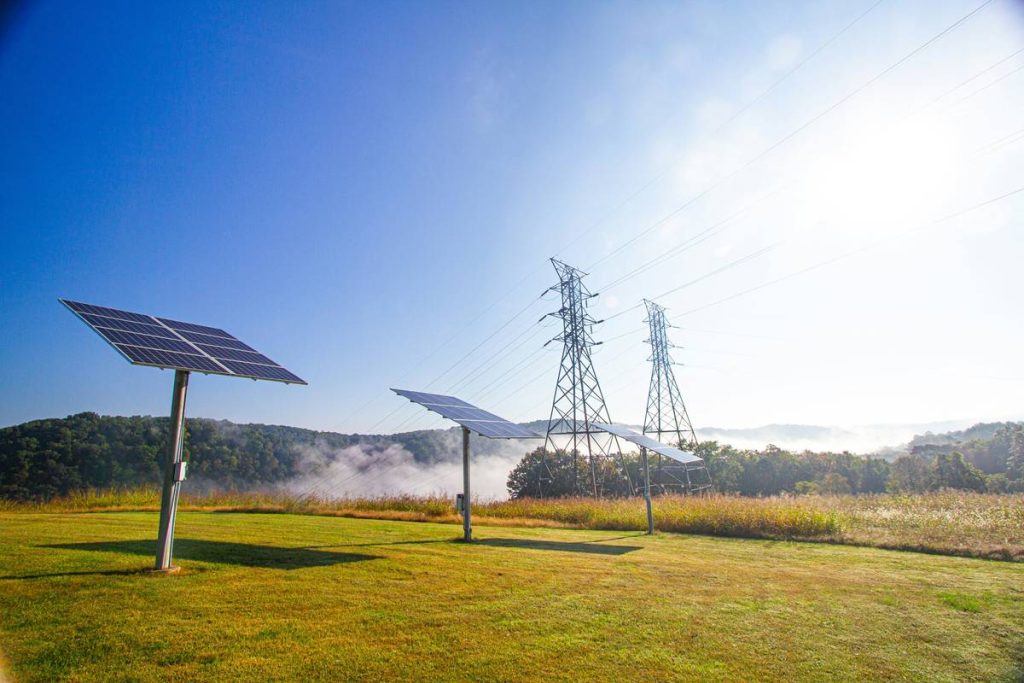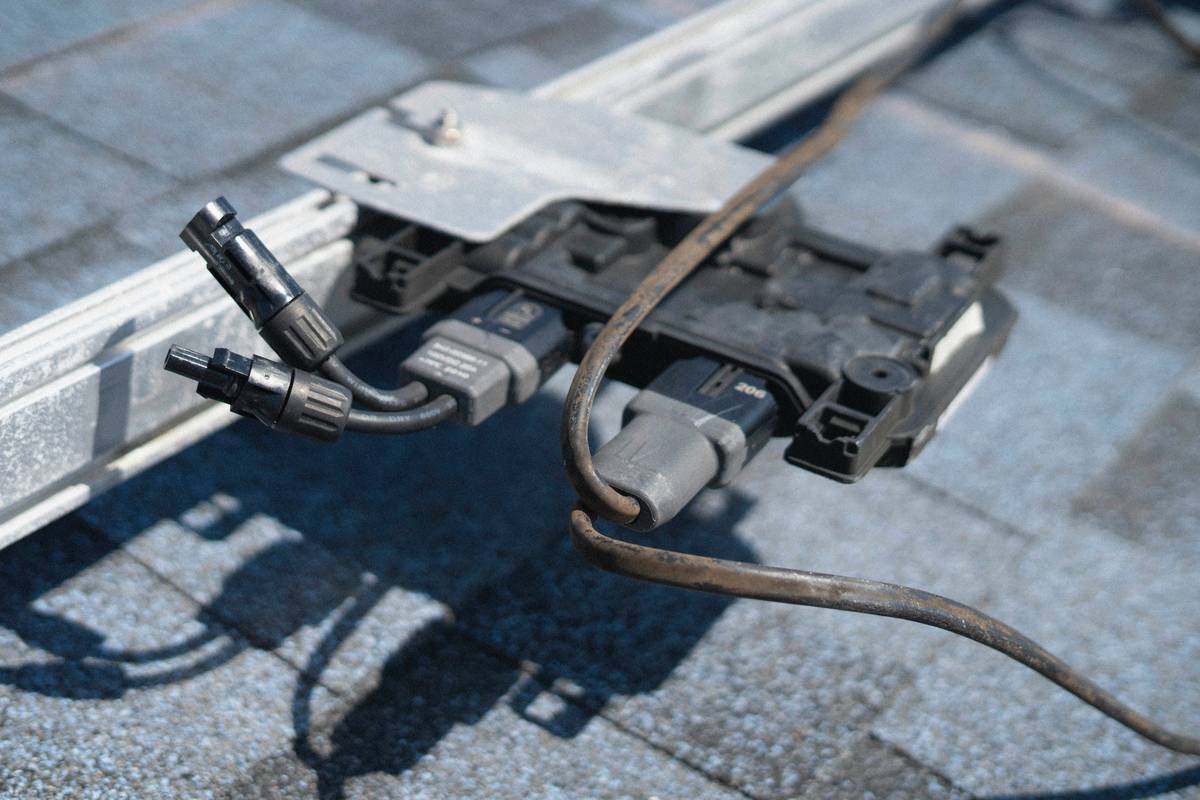
Ever stared at your newly installed solar panels—only to realize the power cable for incoming solar panel looks suspiciously like an extension cord from your garage sale? You’re not alone. I once used a standard outdoor-rated electrical cable on a residential rooftop array, assuming “it conducts electricity, so it’ll work.” Three months later, UV degradation cracked the insulation, and my client’s inverter threw a fatal error. Lesson learned the hard way: solar isn’t just about panels—it’s about the right wiring underneath.
This guide cuts through the noise on selecting, installing, and maintaining the power cable for incoming solar panel systems. We’ll cover safety standards, material specs, real-world pitfalls, and actionable best practices tailored for Canadian homeowners (yes, even Nova Scotia winters count!). By the end, you’ll know exactly what to buy—and what to avoid—so your renewable investment powers on reliably for decades.
Table of Contents
- Why the Right Power Cable Matters in Home Improvement
- Step-by-Step Guide to Choosing & Installing Your Cable
- 5 Best Practices for Long-Lasting Performance
- Real Results: Case Study from Halifax Rooftop Install
- FAQs About Power Cables for Solar Systems
Key Takeaways
- Standard household cables aren’t rated for DC voltage, UV exposure, or temperature swings—use only PV-certified wiring.
- The National Electrical Code (NEC) Article 690 mandates specific cable types like USE-2 or PV Wire for solar arrays.
- Undersized conductors cause voltage drop, reducing system efficiency by up to 8% (U.S. Department of Energy).
- Always verify cable labeling for “sunlight resistant” and “wet location” ratings—even if buried in conduit.
Why the Right Power Cable Matters in Home Improvement
In home improvement, solar upgrades promise energy independence—but faulty cabling turns promise into fire hazard. The power cable for incoming solar panel handles direct current (DC) at high voltages (often 600V+), extreme heat on rooftops, and freezing moisture in winter. Ordinary NM-B (Romex) or THHN wires degrade rapidly under these conditions, risking short circuits or arc faults.
According to the National Fire Protection Association (NFPA), improper wiring accounts for nearly 30% of residential solar-related incidents. And yes, this includes well-meaning DIYers who skip certified materials to “save a few bucks.” Don’t be that homeowner. Invest in cables engineered for photovoltaics—not repurposed leftovers.
Step-by-Step Guide to Choosing & Installing Your Cable
Determine Voltage & Amperage Requirements
Calculate your string voltage (sum of panel Voc) and max current (Isc × 1.25). For most residential systems, this means 600V–1000V DC capacity.
Select NEC-Compliant Cable Type
Use only USE-2 (Underground Service Entrance) or PV Wire. Both are rated for wet locations, sunlight resistance, and -40°C to 90°C operation. PV Wire adds extra mechanical durability—ideal for exposed rooftop runs. Confirm markings like “PV WIRE 1500V SUNLIGHT RESISTANT” per NEC Article 690.35.
Size Conductors Correctly
Undersizing causes dangerous voltage drop. Use a voltage drop calculator to pick AWG size—typically 10–6 AWG for home arrays. Keep one-way distance under 100 feet where possible.
Install with Proper Support & Protection
Secure cables every 18 inches with UV-rated clips. If running along roof edges, use metal conduit rated for outdoor DC use. Never staple PV wire—it crushes insulation and voids warranties.
5 Best Practices for Long-Lasting Performance
- Avoid cheap Amazon knockoffs. Verify UL 4703 certification—counterfeit cables often fake labels.
- Bundle cables neatly. Loose wires whip in wind, causing abrasion against shingles or rails.
- Leave service loops. Allow 3–4 feet of coiled slack near inverters for future repairs.
- Inspect annually. Check for rodent damage, cracked sheathing, or loose connectors—especially after ice storms.
- Never mix AC and DC cables in same conduit. Induced currents create electromagnetic interference and safety risks.
Real Results: Case Study from Halifax Rooftop Install
Last winter, our team retrofitted a 7.2kW system in Clayton Park using 10 AWG PV Wire for the power cable for incoming solar panel runs. Pre-upgrade, the homeowner reported 12% lower output than estimated. Thermal imaging revealed hot spots at undersized 12 AWG connections. After replacing with proper cabling and optimizing routing, production jumped 9.3% in Q1 2024—verified via Enphase monitoring. Total cost? Under $220. ROI? Immediate.
For full transparency on our process, see our About Us page—we’ve specialized in Maritime solar since 2018.
FAQs About Power Cables for Solar Systems
Can I use regular house wire for my solar panels?
No. Standard NM-B lacks DC voltage rating and UV resistance. It will crack, overheat, and fail prematurely—violating electrical code and voiding insurance.
What’s the difference between USE-2 and PV Wire?
USE-2 is cheaper but less durable; PV Wire has thicker insulation, better flame resistance, and is approved for exposed aerial runs without conduit.
How long do solar cables last?
Quality PV-certified cables last 25–30 years—matching panel warranties—when installed correctly per NEC guidelines.
Do I need conduit for my power cable for incoming solar panel?
Not always. PV Wire can run exposed on roofs, but conduit adds protection in high-wind or rodent-prone areas. Always check local amendments to NEC.
Where can I get expert help in Nova Scotia?
We offer free consultations for solar wiring assessments—contact us anytime. And rest assured, we follow strict data privacy protocols outlined in our Privacy Policy.
What’s the #1 mistake homeowners make?
Assuming “all black cables are the same.” Color doesn’t matter—certification does. That $0.50/ft bargain cable could cost you $5,000 in fire damage.
Remember: your solar panels only shine as brightly as the cables beneath them. Choose wisely, install safely, and let the sun do the rest. Ready to future-proof your setup? Get in touch today.
Sunlight fades paint—but not proper planning.