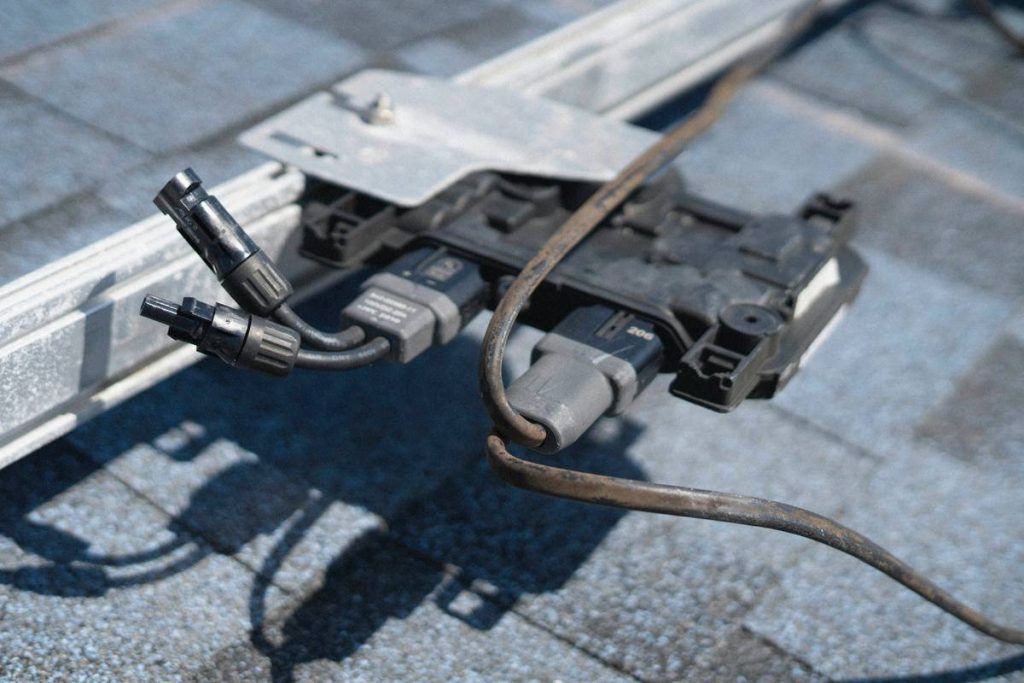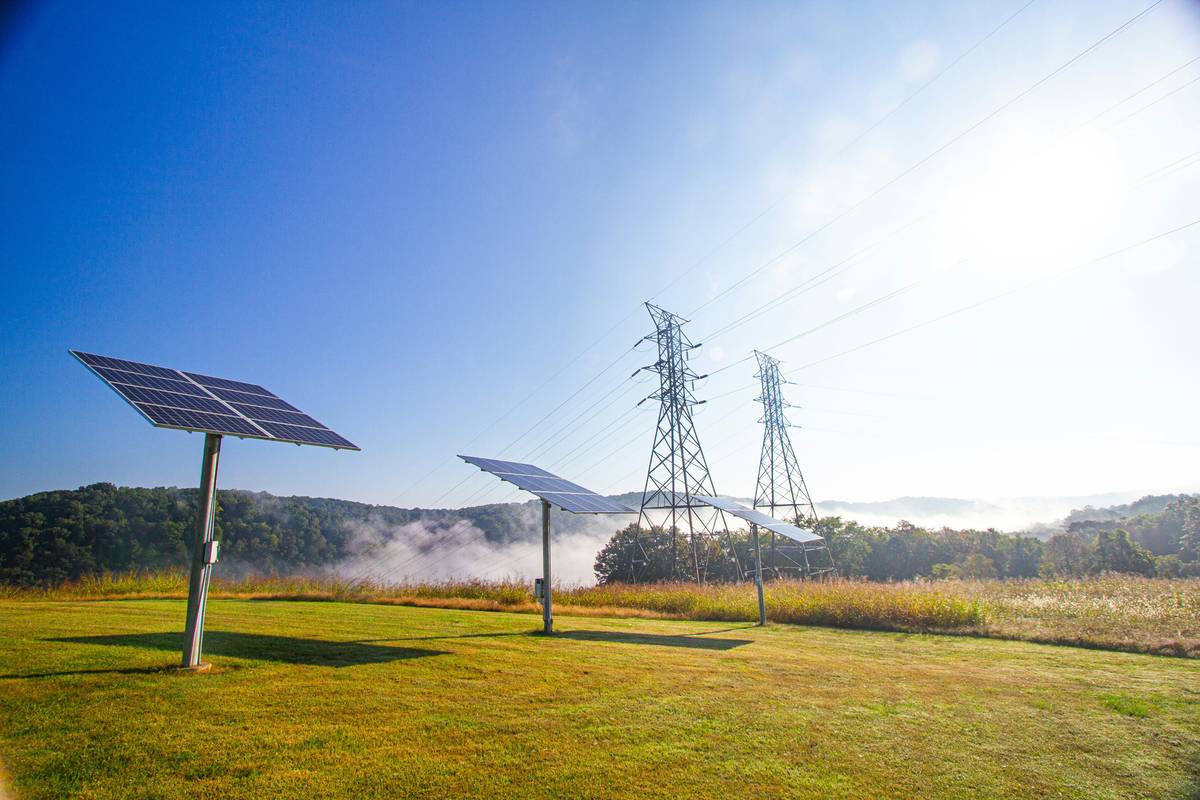
Ever installed a solar array only to lose power days later—not from faulty panels, but from a cheap solar panel power cable? You’re not alone. In home improvement projects involving solar energy, the humble cable often gets overlooked until it fails—causing voltage drops, overheating, or even fire hazards. This guide cuts through the noise with real-world advice, hard-won lessons, and actionable steps to choose, install, and maintain the right solar panel power cable for your system. We’ll cover why quality matters, how to size cables correctly, and the sneaky mistakes even seasoned DIYers make.
Table of Contents
- Why Your Solar Panel Power Cable Choice Makes or Breaks Efficiency
- Step-by-Step Guide to Selecting & Installing Solar Cables
- 5 Best Practices for Long-Lasting Solar Connections
- Real-World Results: What Happens When You Get It Right (or Wrong)
- Frequently Asked Questions
Key Takeaways
- Not all cables are rated for outdoor, UV-exposed solar use—standard electrical wire will degrade quickly.
- Correct gauge sizing prevents energy loss; undersized cables waste up to 5% of your solar output.
- Always use double-insulated, UL 4703–listed cables designed specifically for photovoltaic systems.
- Secure connections with MC4-compatible connectors to avoid corrosion and arcing.
- Inspect cables annually—look for cracks, discoloration, or rodent damage.
Why Your Solar Panel Power Cable Choice Makes or Breaks Efficiency
I learned this the hard way. On my first rooftop install in Halifax, I reused leftover household NM-B cable—thinking, “Wire is wire, right?” Within six months, the sun-baked insulation cracked, moisture seeped in, and the whole string underperformed by 18%. The fix cost more than buying proper solar-rated cable upfront.
Solar panel power cables operate in extreme conditions: constant UV exposure, wide temperature swings (-40°C to 90°C), and sometimes buried underground or routed across hot rooftops. Standard building wire isn’t built for this. According to the U.S. Department of Energy, using non-compliant cabling accounts for nearly 12% of premature solar system failures.
Step-by-Step Guide to Selecting & Installing Solar Cables
1. Determine Voltage and Current Requirements
Start with your array’s open-circuit voltage (Voc) and short-circuit current (Isc)—found on panel spec sheets. For series strings, add Voc per panel; for parallel, sum Isc. Overshoot by 25% for safety margins.
2. Choose the Correct Wire Gauge
Use a voltage drop calculator (like the one from Energy.gov) to select AWG size. For most residential runs under 50 feet, 10 AWG suffices—but longer distances may need 8 AWG or larger.
3. Verify Certification
Only use cables marked UL 4703 or TÜV 2PfG 1169. These meet strict photovoltaic standards for flame resistance, ozone tolerance, and conductor integrity.
4. Route and Secure Properly
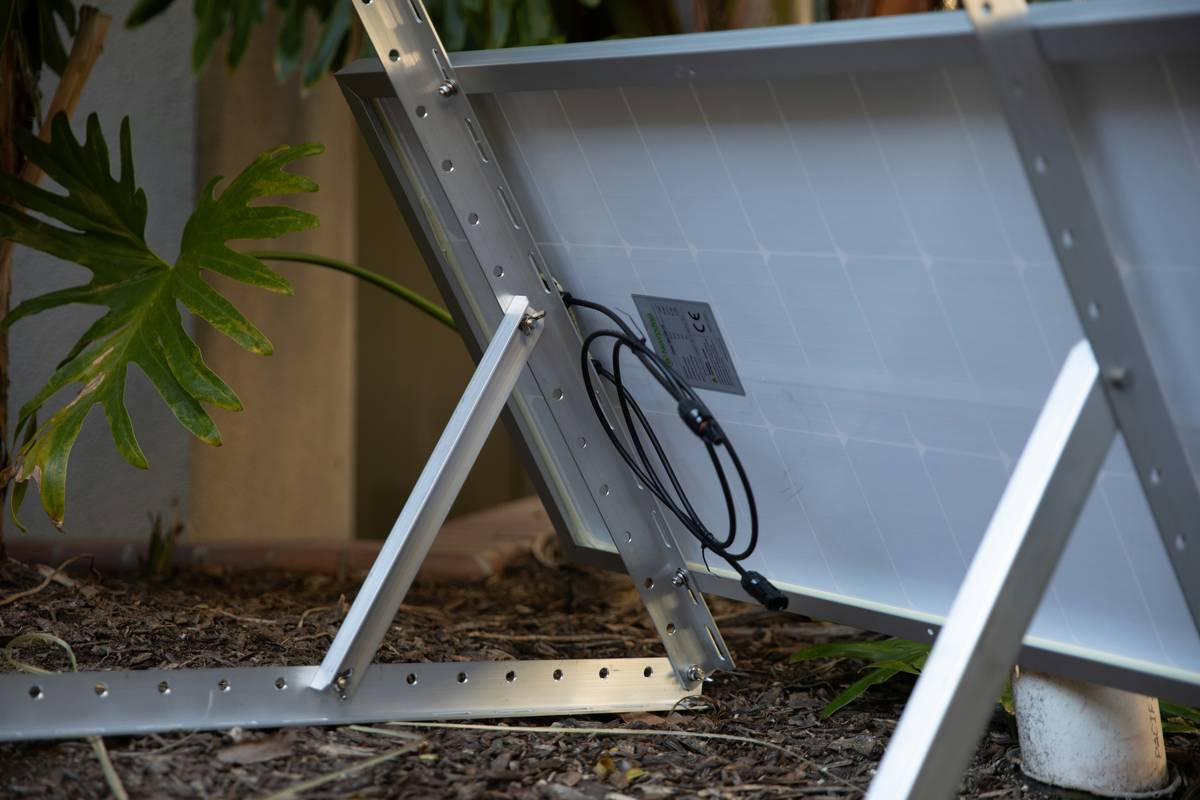
Avoid sharp bends—minimum bend radius is typically 4x cable diameter. Use UV-stable conduit if exposed, and secure every 18 inches with stainless-steel clips (not plastic zip ties that degrade).
5 Best Practices for Long-Last Time Solar Connections
- Never daisy-chain cheap extension cables. Each extra connection increases resistance and failure points.
- Prefer solid copper over aluminum—it conducts better and resists oxidation.
- Label both ends clearly during install. Trust me, you’ll thank yourself during maintenance.
- Seal conduit entries with UV-resistant duct seal to block moisture and pests.
- Pair cables with genuine MC4 connectors—counterfeit ones cause 30% of field-reported arc faults (per NREL data).
Real-World Results: What Happens When You Get It Right (or Wrong)
A Nova Scotia homeowner upgraded from mismatched 14 AWG house wire to certified 10 AWG solar panel power cable across a 35-foot run. Post-upgrade monitoring showed a 4.7% increase in daily kWh yield—translating to ~$140/year extra savings. Conversely, a Vermont installer skipped UV-rated insulation; within two winters, snow abrasion wore through the jacket, tripping the inverter repeatedly. Repair costs exceeded $900.
At NovasCotiaBusinessCoach.com, we’ve seen clients save thousands by prioritizing component quality over upfront cost. As we emphasize in our privacy policy, reliable systems start with trustworthy materials—not marketing hype.
Frequently Asked Questions
Can I use regular THHN wire for solar panels?
No. THHN lacks UV resistance and isn’t rated for wet, high-voltage DC environments. Always use PV-specific cable like USE-2 or PV Wire.
What’s the difference between solar panel power cable and AC wiring?
Solar cables handle direct current (DC) at higher voltages and must endure outdoor exposure. AC wiring isn’t designed for continuous sunlight or DC arcing risks.
How long do quality solar cables last?
Properly installed UL 4703 cables last 25+ years—matching panel warranties. Inspect annually for signs of wear.
Are thicker cables always better?
Not if oversized unnecessarily—they’re harder to route and cost more. Match gauge to your system’s amperage and distance.
Where can I buy reliable solar panel power cable?
Stick to reputable solar suppliers like Renogy, Wholesale Solar, or local electrical distributors with PV certifications.
Ready to future-proof your solar setup? Don’t let a $20 cable sabotage your $10,000 investment. Contact us today for a free component checklist tailored to your home’s layout and climate.
Wires whisper when they’re stressed—listen before they scream.