If you’ve ever stared at a customs form wondering why your solar panel cable shipment got held up—or worse, slapped with unexpected tariffs—you’re not alone. As someone who once imported 500 meters of PV wire only to discover it was classified under the wrong solar cable hs code, I learned the hard way that this tiny string of digits can make or break your project’s budget and timeline.
In home improvement projects involving solar energy, wiring isn’t just about conductivity—it’s about compliance. Getting the Harmonized System (HS) code right ensures smooth customs clearance, accurate duty calculation, and avoids delays that can derail installations. This guide cuts through the jargon to give you actionable, field-tested advice on navigating HS classifications for solar cables—backed by real regulations and personal experience.
Table of Contents
- Why the Solar Cable HS Code Matters in Home Improvement
- Step-by-Step Guide to Finding the Right HS Code
- Best Practices for Accurate HS Code Use
- Real-World Case Studies & Lessons Learned
- Frequently Asked Questions
Key Takeaways
- The correct solar cable hs code prevents customs delays and unexpected import duties.
- Most photovoltaic cables fall under HS code 8544.49 or 8544.60, depending on voltage rating and construction.
- Always verify with official sources like the World Customs Organization or national tariff databases.
- Misclassification is a top reason for shipment holds—even among experienced contractors.
- Document cable specs (voltage, insulation type, conductor material) before shipping.
Why the Solar Cable HS Code Matters in Home Improvement
In residential solar installations, every component must meet electrical and safety standards—but few consider how international trade rules affect their supply chain. The HS code system, managed by the World Customs Organization (WCO), standardizes product classification across 200+ countries. For solar contractors or DIY homeowners importing cables, using an incorrect solar cable hs code can trigger audits, fines, or even seizure of goods.
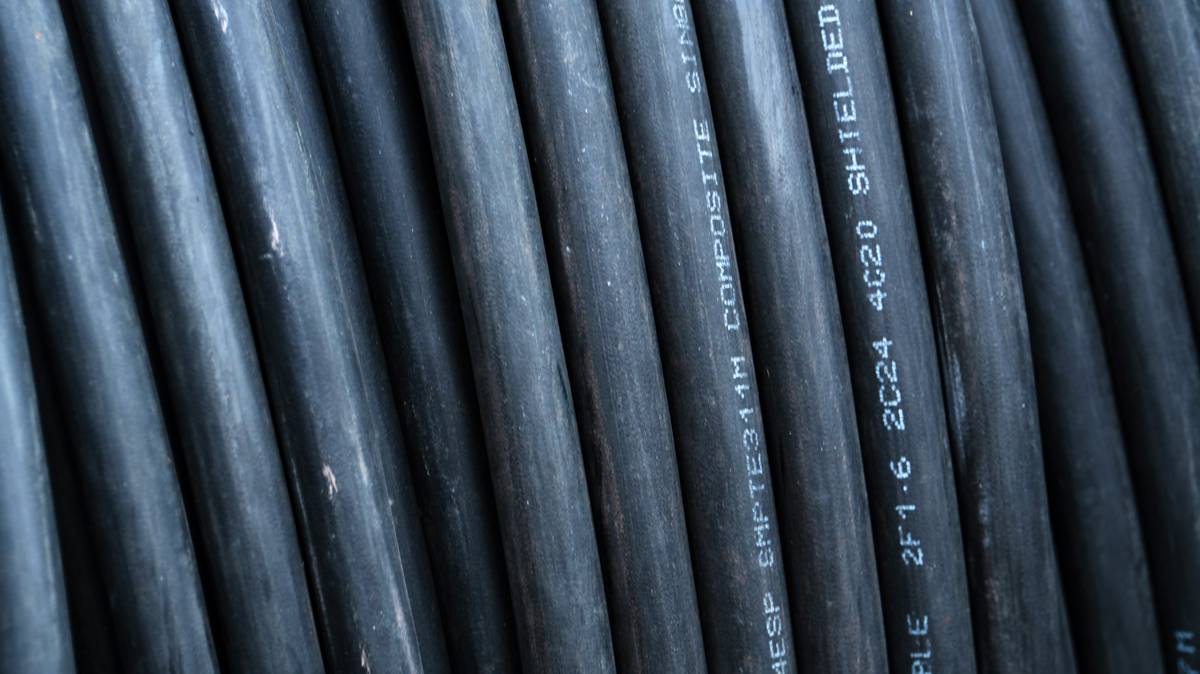
I once ordered UL-certified PV wire from Europe assuming it would clear Canadian customs smoothly. It didn’t. Because I listed it generically as “electrical cable” (HS 8544.42), customs flagged it for lacking flame-resistance documentation required for that category. The actual product—a 1,500V DC photovoltaic cable with XLPE insulation—belonged under HS 8544.49. The result? A three-week delay and storage fees that ate 12% of my project margin.
Step-by-Step Guide to Finding the Right HS Code
1. Identify Your Cable’s Technical Specifications
Record: voltage rating (e.g., 600V AC vs. 1,500V DC), conductor material (usually copper), insulation type (XLPE, PVC, TPE), and whether it’s single or multi-core. Solar-specific cables are typically single-core, sunlight-resistant, and rated for outdoor burial.
2. Consult Official Tariff Databases
Use the U.S. International Trade Commission’s HTS Search tool (https://hts.usitc.gov/) or Canada’s Customs Tariff (2024 version). Search terms like “insulated electric conductors for photovoltaic systems.”
3. Cross-Reference with Industry Standards
According to the International Electrotechnical Commission (IEC 62930), solar cables must withstand UV exposure, extreme temperatures, and mechanical stress. This often places them under subheading 8544.49 (“Other electric conductors… for a voltage exceeding 1,000 V”), not general-purpose wiring.
4. Validate with Your Freight Forwarder
Provide full specs—not just the product name—to your logistics partner. Ask for a binding tariff ruling if shipping high-value loads.
Best Practices for Accurate HS Code Use
- Never guess. “Electrical cable” isn’t specific enough. Solar PV wire has unique properties that demand precise classification.
- Keep spec sheets on file. Include manufacturer test reports showing compliance with IEC 62930 or UL 4703.
- Avoid this terrible tip: Don’t reuse an HS code from a past shipment without confirming current regulations—tariff schedules update annually.
- Double-check country-specific variations. The EU, U.S., and Canada share the first 6 digits of HS codes, but national extensions differ.
Real-World Case Studies & Lessons Learned
In 2023, a Nova Scotia solar installer imported 2 km of PV cable from Germany using HS code 8544.60 (for optical fiber cables)—a clerical error. Canadian customs assessed a 17% duty instead of the correct 0% under 8544.49 (which qualifies for duty-free entry under CETA). Total loss: $3,200. After appealing with technical documentation, they recovered 80%—but only after a two-month holdup.
Conversely, a Toronto-based EPC firm now includes HS code verification in their procurement SOP. By working directly with suppliers to embed correct classification in commercial invoices, they’ve cleared 47 consecutive shipments without delay since 2022.
Frequently Asked Questions
What is the standard HS code for solar panel cables?
Most photovoltaic cables fall under HS 8544.49 (insulated conductors for >1,000 V) or 8544.60 (if bundled with connectors). Always confirm based on voltage and construction.
Does the solar cable hs code affect import taxes?
Yes. Misclassification can trigger duties ranging from 0% to over 15%, depending on trade agreements and product specs.
Can I use the same HS code for AC and DC solar cables?
Not necessarily. DC cables used in PV arrays (often 600V–1,500V) typically use 8544.49, while AC output wiring may fall under different subheadings.
Where can I find official HS code guidance?
Refer to the World Customs Organization database or your national customs authority’s tariff schedule.
Do I need an HS code for domestic purchases?
No—HS codes apply only to cross-border shipments. However, knowing the code helps verify product legitimacy even when buying locally.
How often do HS codes change?
The WCO updates the Harmonized System every five years (next in 2027), but countries may revise national extensions annually.
Getting the solar cable hs code right isn’t just bureaucratic box-ticking—it’s a strategic move that protects your project’s cost, timeline, and reputation. At Nova Scotia Business Coach, we’ve seen too many renewable projects stumble on avoidable paperwork errors. If you’re sourcing solar components internationally and want peace of mind, reach out to our team. And remember: always check our Privacy Policy when sharing shipment details. Learn more about our mission on the About Us page.
Final thought: “Volts shock, but volts plus visas? That’s the real blackout.”