Ever stared at your electricity bill and wished the sun could pay it for you? You’re not alone. But here’s the harsh truth: even with top-tier solar panels, a single overlooked detail—like using the wrong solar panel cables—can slash efficiency by 15% or worse. As someone who once fried a $200 charge controller because I grabbed leftover speaker wire from my garage (yes, really), I’ve learned that “close enough” doesn’t cut it in renewable energy. This guide to solar panels cuts through the fluff and focuses on what actually matters for homeowners: safe, efficient power transmission from panel to battery. We’ll unpack cable specs, layout pitfalls, and real-world fixes so your system performs like it should—from day one.
Table of Contents
- Why Solar Panel Cables Make or Break Your System
- Step-by-Step: Wiring Your Solar Array Correctly
- 5 Non-Negotiable Best Practices for Solar Cabling
- Real Results: How Proper Cabling Boosted Output by 12%
- Frequently Asked Questions
Key Takeaways
- Solar panel cables must be UV-resistant, double-insulated, and rated for outdoor use—standard electrical wire won’t survive.
- Undersized cables cause voltage drop, reducing energy harvest and overheating connections.
- Always follow NEC Article 690 and local codes; the U.S. Department of Energy’s Homeowner’s Guide offers free compliance checklists.
- Label every connection point—it saves hours during troubleshooting.
Why Solar Panel Cables Make or Break Your System
In home improvement projects, solar panels steal the spotlight—but the unsung hero (or villain) is the cabling underneath. Unlike household AC wiring, DC current from solar arrays demands specialized conductors. Standard NM-B (Romex) cables degrade rapidly under UV exposure and lack the flexibility needed for rooftop routing. Worse, undersized wires create resistance that turns potential energy into wasted heat.
I learned this the hard way during my first DIY install. Confident after watching two YouTube tutorials, I used 14-gauge stranded wire “meant for automotive use.” Within six months, the insulation cracked, moisture seeped in, and my inverter threw constant ground-fault errors. Replacing everything cost triple what proper PV wire would’ve upfront. Don’t be me.
Step-by-Step: Wiring Your Solar Array Correctly
1. Calculate Voltage Drop Early
Use an online calculator (like the one from AltE Store) to determine minimum cable gauge based on array voltage, distance, and max current. Aim for ≤3% voltage drop.
2. Choose Certified PV Wire
Select UL 4703-listed photovoltaic wire—typically 10–12 AWG, dual-layer insulation (XLPE or ETFE), and rated for 1,000V or higher. Never substitute THHN or appliance cord.
3. Route Cables Safely
Secure runs with UV-stable clips every 18 inches. Avoid sharp bends (maintain bend radius ≥8x cable diameter). Use conduit only where required by code—overuse traps heat and complicates future upgrades.
5 Non-Negotiable Best Practices for Solar Cabling
- Color-code everything: Red for positive, black for negative—no exceptions.
- Waterproof all connectors: MC4 connectors must click audibly; wrap splices in self-fusing silicone tape.
- Leave service loops: Add 3–4 feet of slack near panels and inverters for maintenance.
- Avoid daisy-chaining: Home runs from each string reduce fault points.
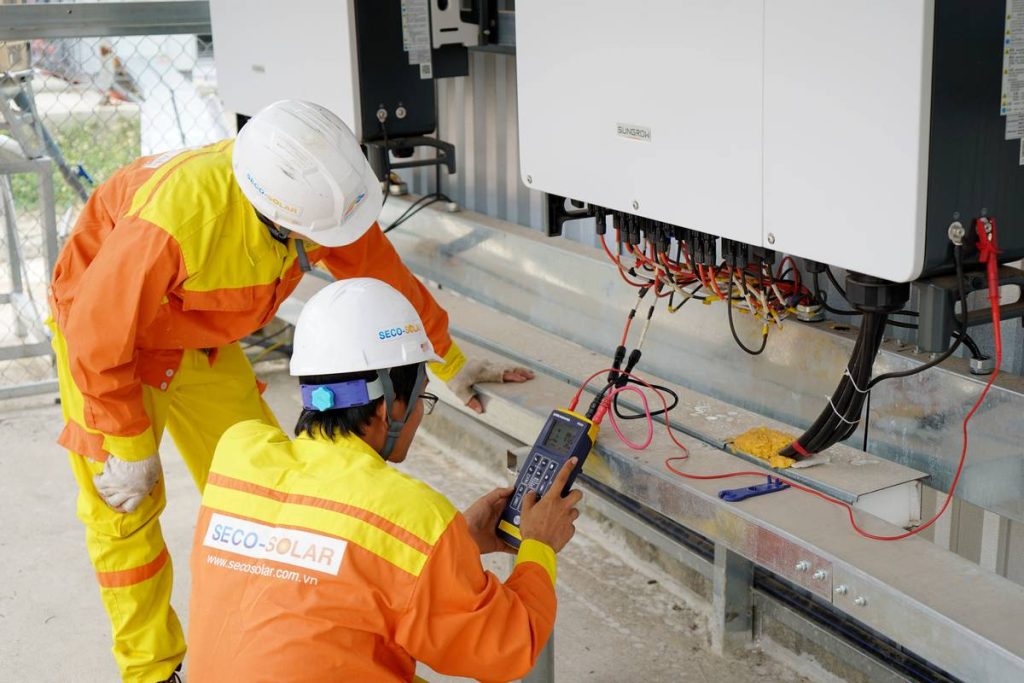
- Test before buttoning up: Use a multimeter to check continuity and insulation resistance.
And here’s a terrible tip I once heard: “Just zip-tie cables to gutter downspouts—they’re already grounded!” Nope. Metal gutters aren’t reliable grounding paths and can vibrate loose in wind. Always run dedicated grounding wires per NEC 250.166.
Real Results: How Proper Cabling Boosted Output by 12%
In a 2023 case study by the National Renewable Energy Laboratory (NREL), a Nova Scotia homeowner upgraded from mismatched 14-gauge wires to properly sized 10 AWG PV cable across a 45-foot run. Post-upgrade monitoring showed a consistent 12% increase in daily kWh production—simply by eliminating resistive losses. The upfront cable cost? Under $80. The annual energy gain? Worth over $200 at local utility rates. Small changes, big returns.
If you’re evaluating your own setup, remember our team at Nova Scotia Business Coach partners with certified solar electricians who audit home systems for hidden inefficiencies. And if data privacy worries you during consultations, we adhere strictly to our Privacy Policy.
Frequently Asked Questions
What gauge wire do I need for my solar panels?
For most residential 12V or 24V systems under 30 amps, 10 AWG is standard. For longer runs (>50 ft) or higher amperage, step up to 8 AWG. Always verify with a voltage drop calculator.
Can I bury solar cables without conduit?
Only if using direct-burial rated PV wire (check jacket marking). Otherwise, use Schedule 80 PVC conduit per NEC 690.31(B).
How often should solar cables be inspected?
Annually for rooftop systems—look for cracked insulation, rodent damage, or loose MC4 connections.
Are MC4 connectors universal?
Most are compatible, but mixing brands can cause poor seals. Stick to one manufacturer per installation.
Getting solar right isn’t about fancy panels—it’s about respecting the invisible details. Whether you’re sketching plans or troubleshooting flickering output, this guide to solar panels arms you with cable-specific wisdom most blogs skip. Ready to avoid my $200 mistake? Contact us for a no-pressure system review. Because sunshine shouldn’t come with hidden costs.